
RFA Vein Treatment for Varicose Veins
Radiofrequency Ablation, or RFA, is a minimally invasive vein treatment used to close certain diseased veins that contribute to venous reflux, varicose veins, leg heaviness, swelling, aching, and circulation-related symptoms.

What to Know About RFA

Treating the Source of Vein Disease
Varicose veins often develop when valves inside certain veins stop working properly. Instead of moving blood efficiently toward the heart, blood can pool in the legs and create pressure that leads to enlarged veins, swelling, aching, heaviness, and other symptoms.
Radiofrequency Ablation is designed to close specific diseased veins responsible for venous reflux. Once the vein is closed, blood naturally reroutes through healthier veins, helping reduce symptoms and improve circulation patterns.
RFA May Be Recommended For
- Varicose veins associated with venous reflux
- Leg aching or heaviness that worsens throughout the day
- Swelling of the calves, ankles, feet, or lower legs
- Restless legs or nighttime leg discomfort
- Venous reflux confirmed through ultrasound evaluation
- Skin discoloration from chronic vein disease
- Recurring varicose veins after previous treatment
- Medically necessary vein treatment when symptoms and ultrasound findings qualify
Trusted Vein Care
Led by Dr. John Berry, Living Water Vein Institute provides advanced vein treatment in Johnson City, Abingdon, and Lebanon, serving patients throughout Northeast Tennessee and Southwest Virginia.
How Radiofrequency Ablation Works
RFA is performed through a small access point in the skin. Using ultrasound guidance, your provider places a thin catheter into the targeted vein. Radiofrequency energy is then delivered inside the vein, causing the treated vein to close.
Ultrasound Evaluation
Your provider evaluates blood flow and vein function to determine whether RFA is appropriate for your condition.
Vein Access
A small access point is made so a thin catheter can be guided into the diseased vein.
Radiofrequency Energy
Controlled heat from radiofrequency energy closes the vein so blood can reroute through healthier veins.
After Treatment
Most patients are encouraged to walk after treatment. Your provider will review compression, activity, and follow-up instructions.
RFA vs. EVLT
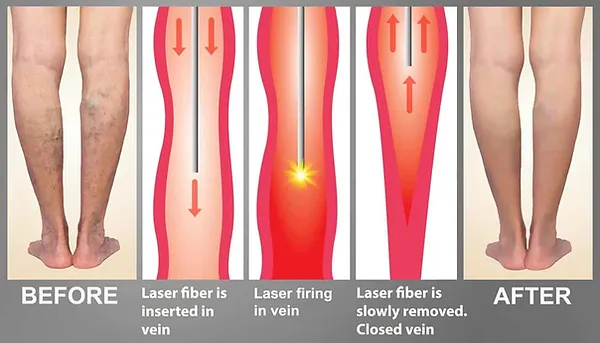
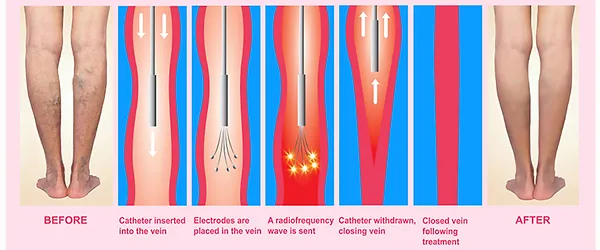
RFA and EVLT are both minimally invasive endovenous ablation treatments. Both are used to close diseased veins and redirect blood flow to healthier veins. The main difference is the type of energy used: RFA uses radiofrequency energy, while EVLT uses laser energy.
Radiofrequency Ablation
RFA uses radiofrequency energy delivered through a catheter to heat and close the targeted diseased vein.
Endovenous Laser Treatment
EVLT uses laser energy delivered inside the vein to close the treated vein and help redirect blood flow.
Your provider will determine which option is more appropriate based on your ultrasound findings, anatomy, symptoms, treatment history, and overall care plan.
What to Expect After RFA
Recovery after RFA is typically much easier than older vein surgery methods such as vein stripping. Many patients return to normal light activity quickly, although your provider will give you specific instructions based on your treatment plan.
You may be asked to wear compression stockings, walk regularly, avoid strenuous activity for a short period, and return for follow-up evaluation. Mild bruising, tightness, tenderness, or pulling sensations can occur as the treated vein closes and the body adjusts.
Aftercare May Include
- Walking after treatment
- Compression stockings if recommended
- Avoiding strenuous activity for a short period
- Follow-up ultrasound or office visit
- Additional treatment for surface veins if needed
Physician-Led Vein Care With a Personal Touch
Living Water Vein Institute & Medical Spa is led by Dr. John Berry, whose approach combines medical expertise, careful evaluation, and compassionate patient care. The goal is to help patients understand their condition, feel comfortable with their options, and receive treatment plans designed around their needs.
Whether your concerns are medical, cosmetic, or both, our team is here to help you take the next step with clarity and confidence.

Dr. John Berry
Founder & Board Certified Physician
Meet Living Water Vein Institute
Learn more about our team, our offices, and the patient-centered approach behind Living Water Vein Institute & Medical Spa.
Living Water Vein TV Commercial
A quick look at Living Water Vein Institute, Dr. John Berry, and our patient-focused approach.
Meet the Team
A local feature highlighting the Living Water team, office experience, and why patients choose our practice.
RFA Vein Treatment FAQs
What is Radiofrequency Ablation?
Radiofrequency Ablation is a minimally invasive vein treatment that uses controlled radiofrequency energy to close certain diseased veins that contribute to venous reflux and varicose veins.
How is RFA different from EVLT?
Both treatments close diseased veins from the inside. RFA uses radiofrequency energy, while EVLT uses laser energy. Your provider will recommend the option that best fits your vein anatomy and ultrasound findings.
Is RFA performed in the office?
Yes. RFA is commonly performed in an office setting using ultrasound guidance. Your provider will explain the process and what to expect before treatment.
Does RFA treat visible varicose veins?
RFA treats the underlying diseased vein that may be contributing to varicose veins. Some patients may also need additional treatment for remaining surface veins.
Is RFA covered by insurance?
Many medically necessary vein treatments may be covered when symptoms and diagnostic findings meet insurance guidelines. Our team can help review your benefits and next steps.
How do I know if RFA is right for me?
A vein consultation and ultrasound evaluation can help determine whether RFA, EVLT, Varithena, phlebectomy, sclerotherapy, or another treatment option is appropriate.
Relief Starts With the Right Evaluation
If varicose veins, swelling, heaviness, or leg discomfort are affecting your daily life, our team can help you understand your options.